
If you’re planning a home extension, loft conversion, or outbuilding in Essex, one of the first questions you’ll face is: do you need full planning permission, or does your project fall under Permitted Development rights? Getting this wrong can be costly — so here’s a clear, practical breakdown of what you can and can’t build without a formal planning application.
What Is Permitted Development?
Permitted Development (PD) rights are a set of pre-approved planning rules granted by the UK government that allow homeowners to carry out certain types of work without needing to apply for full planning permission. These rights are designed to reduce red tape for smaller, low-impact building projects.
However, PD rights are not universal. They can be restricted or removed entirely in conservation areas, Areas of Outstanding Natural Beauty (AONBs), National Parks, or if your property is a listed building. Some new-build estates in Essex also have Article 4 Directions that strip back PD rights — always check before you build.
What Can You Build Under Permitted Development in Essex?
For most standard residential properties in Essex, Permitted Development rights allow a surprisingly wide scope of work. Here are the most common projects that typically qualify:
- Single-storey rear extensions — up to 4m deep for detached houses, 3m for semi-detached or terraced (or up to 8m/6m under the Neighbour Consultation Scheme)
- Loft conversions — adding up to 40m³ of roof space for terraced houses, or 50m³ for detached and semi-detached
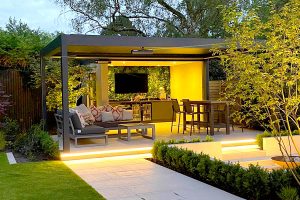
- Outbuildings and garden rooms — structures up to 2.5m high within the garden, as long as they don’t cover more than 50% of the garden area
- Porches — up to 3m² ground area and no higher than 3m
- Internal conversions — such as garage conversions, with no material change to the external appearance
- Roof lights and skylights — provided they don’t project more than 150mm beyond the existing roof plane
These are general guidelines. Measurements, materials, and position on your plot all affect eligibility. When in doubt, your builder or a planning consultant can apply for a Lawful Development Certificate (LDC) — a formal document that confirms your project is lawful. We always recommend getting one for peace of mind.
When Do You Need Full Planning Permission?
Some projects will always require a full planning application, regardless of their size or location. These include:
- Two-storey extensions or anything that extends beyond the rear wall at first-floor level
- Side extensions that create a half-hip or change the roofline significantly
- Any extension on a flat (apartment), maisonette, or converted house
- Work on listed buildings or properties in a designated conservation area
- New dwellings or subdivision of an existing property
- Changes of use — for example, converting a commercial unit to residential
Full planning permission involves submitting drawings and a planning statement to your local authority — in Essex, this could be councils such as Chelmsford City Council, Epping Forest District Council, or Basildon Borough Council, depending on where you live. The standard determination period is 8 weeks for householder applications.
Permitted Development Rules That Often Catch People Out
Even experienced self-builders are sometimes surprised by the finer details of PD rules. Watch out for these common pitfalls:
- Cumulative extensions: PD limits apply to the total amount added since 1948, not just your current project. If a previous owner already extended the property, your allowance may already be used up.
- Materials must match: Extensions under PD must be built in materials that are “similar in appearance” to the existing house.
- Eaves and ridge height: A loft conversion or extension cannot exceed the height of the existing roof ridge.
- Side-facing windows: Any windows on a side elevation of an extension must be obscure-glazed and non-opening below 1.7m from the floor.
- Highway proximity: Outbuildings and extensions cannot be built forward of the principal elevation if the property faces a highway.
How an Experienced Essex Builder Can Help
Navigating planning rules is a core part of what a good building contractor does — not an afterthought. An experienced local builder will assess your property, review any existing extensions, and advise you upfront on the most efficient route to getting your project built legally and on time.
Many projects that clients assume need full planning permission can actually proceed under PD with clever design. Equally, a builder who doesn’t check the rules could inadvertently start work that leads to enforcement action — something nobody wants.
Should You Apply for a Lawful Development Certificate?
Even when your project clearly falls within Permitted Development, applying for a Lawful Development Certificate is a smart move. It costs less than full planning permission, is processed faster (typically 8 weeks), and gives you a legally recognised document proving the work is lawful. This is especially valuable when you come to sell your home — mortgage lenders and solicitors often ask for one.
Your builder can prepare the supporting information needed for an LDC application, or recommend a planning consultant if your situation is complex.
Key Takeaways
- Permitted Development rights cover many common home improvements — but not all properties or locations qualify.
- Always check whether your plot has an Article 4 Direction, conservation area status, or listed building restrictions before starting work.
- Full planning permission is required for two-storey extensions, flats, and listed buildings.
- A Lawful Development Certificate is always worth getting, even when PD rights apply.
- An experienced Essex building contractor will guide you through the right route from day one.
Planning rules don’t have to be a barrier — with the right advice and an experienced team behind you, most projects can move forward smoothly and legally. Ready to start planning your extension or conversion? Get in touch today for a free consultation and we’ll help you understand exactly what’s possible on your property.